Vote starts on final draft of ISO 45001 for occupational health and safety
Every day, thousands of lives are lost due to work accidents or fatal diseases linked to work activities. These are deaths that could and should have been prevented, and must be in the future. A new standard in development aims to help organizations do just that, and it has now reached one of the final stages in its development.
ISO 45001 Occupational health and safety management systems – Requirements with guidance for use, will help organizations provide a safe and healthy workplace for its workers and other people, prevent deaths, work-related injury and ill health as well as continually improve occupational health and safety (OH&S) performance. It has just reached the Final Draft International Standard (FDIS) stage, meaning interested parties can once more submit feedback on the draft before its final publication expected in March 2018.
Latest estimates from the International Labour Organization (ILO) show that, each day, more than 7 600 people die as a result of work-related activities (that’s over 2.78 million a year), and over 370 million accidents occur on the job annually. The burden to employers and employees alike is immense, resulting in losses to the wider economy from early retirements, staff absence and rising insurance premiums.
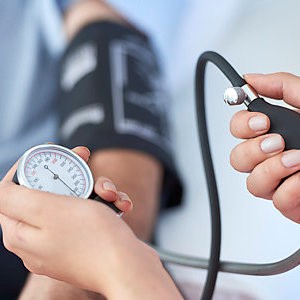
Applicable in all parts of the world and across all sectors, the future ISO 45001 is intended to reduce this terrible toll. It will be the first global standard of its kind, giving organizations a universally accepted framework for improving employee health and safety, reducing workplace risks and creating healthier, safer working conditions.
The upcoming standard will follow in the footsteps of ISO’s other management systems approaches, such as ISO 14001 (environment) and ISO 9001 (quality). It will also take into account other international standards in this area including OHSAS 18001, ILO-OSH guidelines, various national standards and the ILO’s international labour standards and conventions.
David Smith, Chair of ISO/PC 283, the project committee developing the standard, said that alignment of ISO 45001 to the suite of ISO management system standards will come as a welcome addition. “We now have an International Standard for OH&S, aligned with other business standards such as ISO 9001, ISO 14001 and ISO/IEC 27001, that helps organizations manage this key risk as part of their business processes.”
“ISO 45001 is a significant improvement on OHSAS 18001, which has established that standardization using the risk-based approach works across the world and business sectors,” he added. “Effective application of ISO 45001 will reduce the risk of harm in the workplace.”
ISO 45001 is being developed by ISO project committee ISO/PC 283, Occupational health and safety management systemsAnyone interested in commenting on the FDIS can do so through their national ISO member.
Source: www.iso.org
Related News

23/03/2026 1191 Views

04/05/2021 1419 Views

28/03/2026 669 Views

17/04/2026 1387 Views
12/06/2017 7045 Views

05/04/2017 7927 Views

26/03/2026 667 Views
05/01/2017 17357 Views
05/08/2020 14479 Views



main.comment_read_more